Can't see this message properly? Click here.

Dear fellows, alumni and friends,

As 2025 draws to a close, we look back on a year filled with fruitful conversations, inspiring encounters and many accomplishments at the Herzog August Bibliothek. 

With this second edition of the HAB Alumni Newsletter, we would like to share insights and impressions from the past months and offer a glimpse of what lies ahead.

We wish you an inspiring end to the year and look forward to reconnecting in 2026. Thank you for your continued interest and your presence in the HAB community.

Warm regards,

The HAB Team
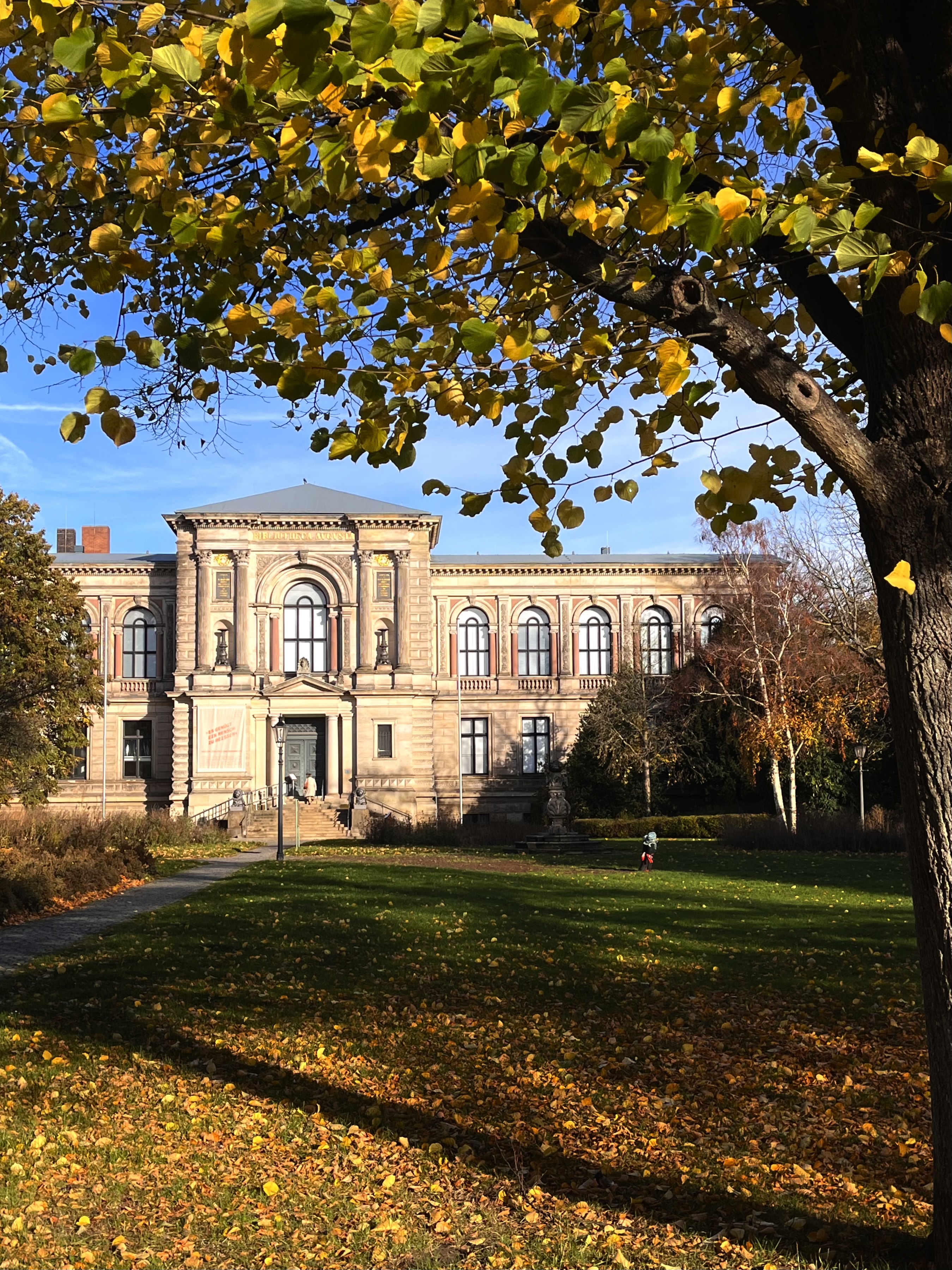
Bibliotheca Augusta in autumn (© HAB)
HAB Calls: Apply Now!
Grants: Research grants funded by the State of Lower Saxony 2027. Next application deadline: January 31, 2026 More...

Doctoral Fellowship:
Dr. Günther Findel-Stiftung / Rolf and Ursula Schneider-Stiftung. Application deadline: April 01, 2026 More...

Exploring Further: Noteworthy Calls Outside the HAB

Calls for Applications

Job: 3× Doctoral / Postdoc Research Fellows “WidowsPrint – Widows in the Growing Print Industry, c. 1550–1700” University of Göttingen. Application deadline: December 03, 2025 More...

Job:
W2-Professur für Politische Theorie und Ideengeschichte, Universität Jena. Application deadline: December 11, 2025 More...

Job: 5 Postdoctoral + 9x 0.65 Doctoral Positions "ROOTS – Social, Environmental, and Cultural Connectivity in Past Societies" (Kiel University). Application deadline: December 15, 2025 More...

Grant: IZEA-Stipendien "Multiple Aufklärungen: 18. Jahrhundert bis heute" (MLU Halle-Wittenberg). Application deadline: December 15, 2025 More...

Job: 0.65 Research Associate – Transnational History, University of Greifswald. Application deadline: December 15, 2025 More...

Job: Wiss. Mitarbeiter*in (w/m/d) "Geschichte des Spätmittelalters und der Frühen Neuzeit" ( Univ. Freiburg im Breisgau). Application deadline: December 19, 2025 More...

Job: Graduate Assistant (research position) – China in the Global System of Science, Max Planck Institute for the History of Science, Berlin. Application deadline: December 31, 2025 More...

Grant: Short-term Fellowship "Geschichte Preußens" (Stiftung Preußische Seehandlung / Wissenschaftskolleg zu Berlin). Application deadline: December 31, 2025 More...

Job: Wiss. Mitarbeiter*in (m/w/d) mit Zielrichtung Promotion, am Lehrstuhl für Politische Theorie, Ideengeschichte und Politische Kultur der CAU Kiel. Application deadline: January 04, 2026 More...


Calls for Papers

Workshop: New Research on Diplomacy in Pre‑Modern Eurasia: Practices, Objects, Symbols (Premodern East Slavic Europe Network, online). Deadline: December 12, 2025 More...

Summer academy: Von Samson, Superwoman und Krusty, dem Clown – Jüdische Bilder‑Geschichten seit dem Mittelalter (Vienna / Literaturhaus Wien / Österreichische Exilbibliothek). Deadline: December 12, 2025 More...

Conference: Lines That Cross – Migration and the Making of a European Space, Memorial and Educational Site, Reception Camp Giessen / Research Network on the History of the Idea of Europe. Deadline: December 20, 2025 More...

Conference: 1526: Der Beginn des habsburgischen Schlesien. Dynastischer Übergang – Politische Struktur – Konfessionelle und wirtschaftliche Entwicklung (Stiftung Kulturwerk Schlesien, Würzburg). Deadline: January 15, 2026 More...

Conference: Vertrauen und Misstrauen in der Medizin – Historische Perspektiven, Institut für Geschichte der Medizin des Bosch Health Campus Stuttgart (Germany). Deadline: January 11, 2026 More...

News

Joint Summer Course by the Herzog August Bibliothek and the Newberry Center for Renaissance Studies 

The week-long course Recovering Hidden Histories in Archival Collections  will provide an introduction to using the tools of humanities inquiry to recover experiences and stories that have been lost, hidden, or even suppressed in the surviving historical record of the past. Through discussions, guest presentations, and hands-on work with the Newberry Library’s collections, participants will learn to identify, contextualize, and share these hidden stories with audiences both within and outside of the academy. 

Date:  August 24–29, 2026
Venue: Newberry Library Chicago
Call coming soon - check www.hab.de/en for updates!

New Acquisition: 140 Rare Chess Prints

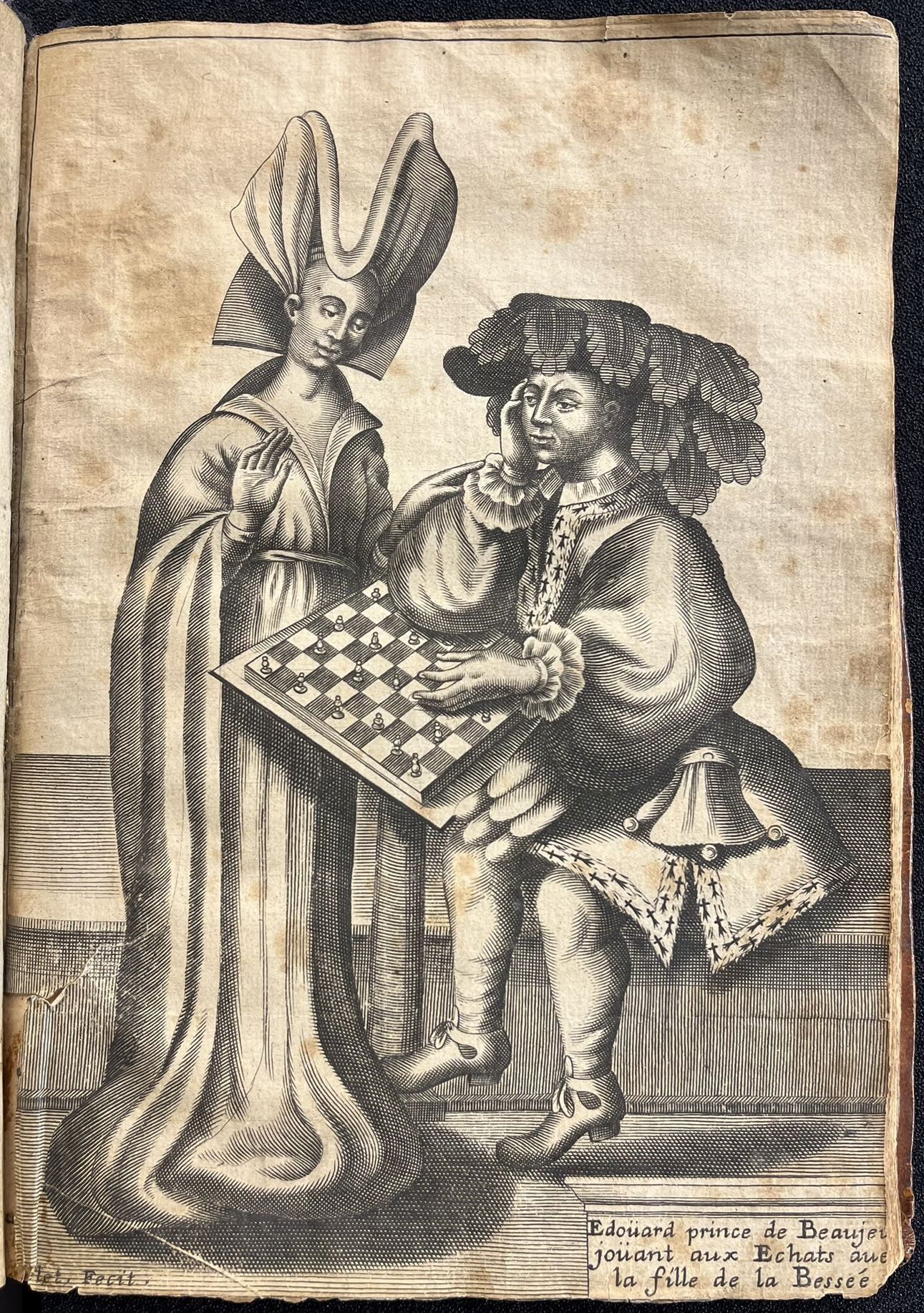
From the estate of publisher and chess grandmaster Lothar Schmid (1928–2013), the HAB has acquired 140 rare prints dating from the 15th to the 18th century. Over decades, Schmid built the world’s largest private chess collection, driven both by his antiquarian interests and a desire to refine his own playing strategies. He won numerous national and international titles and was named Chess Arbiter of the Century – he is particularly famous for his work at the 1972 World Championship match between Bobby Fischer and Boris Spassky in Reykjavík. The newly acquired items include Renaissance chess poetry as well as English, French, and Italian instructional works on chess and related games.

Copperplate engraving: Eduard, Prince of Beaujeu, playing chess with a daughter of the La Bessée family. Pierre Louvet: Memoires contenans ce qu'il ya de plus remarkable dans Villefranche. Villefranche: Antoine Baudrand 1671. (© HAB)

New Publications

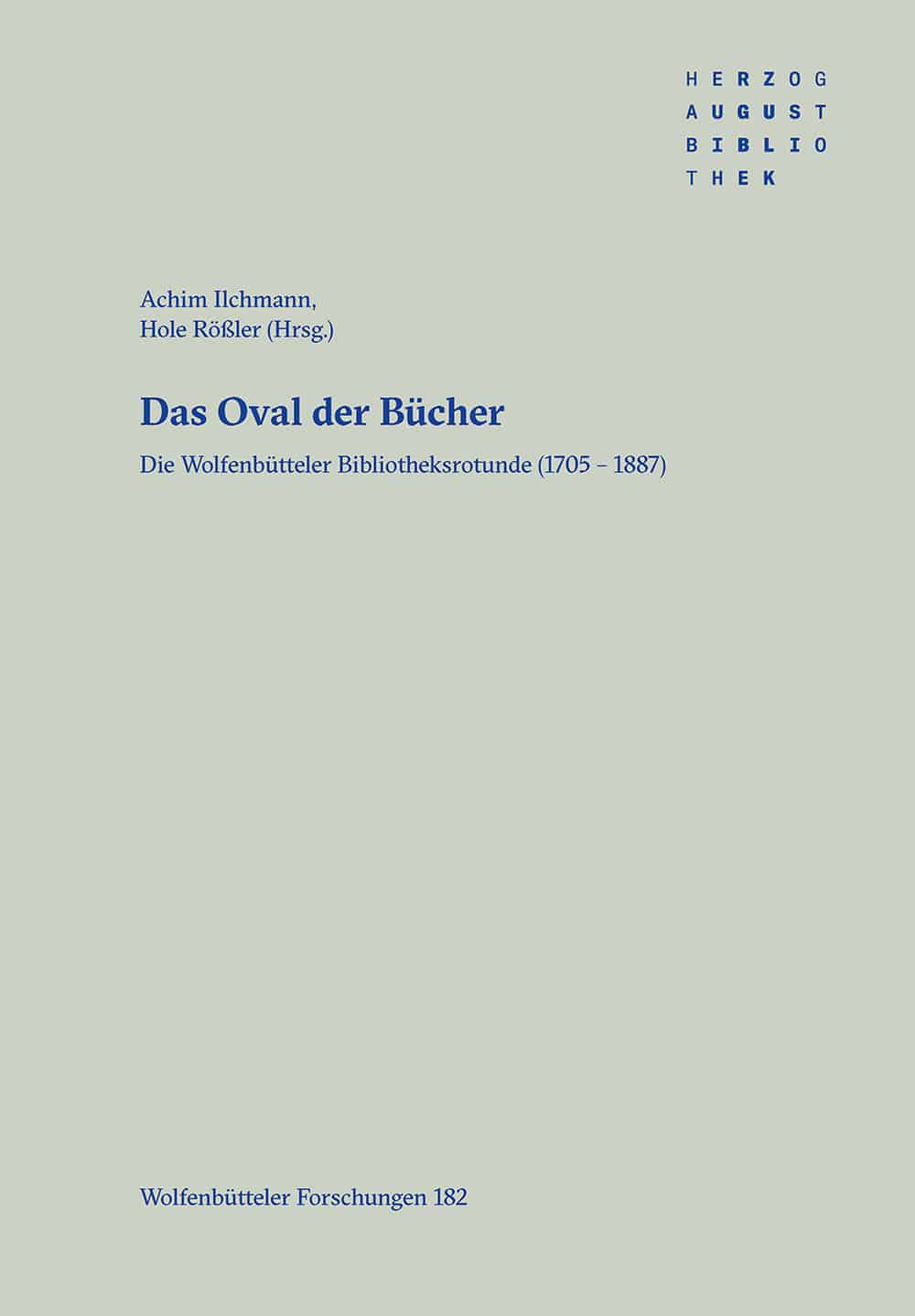
The so-called Rotunda was far more than the architectural shell of one of the largest book collections in early modern Europe. Its extraordinary form, completed in 1711, fascinated people of the time and has left later generations with more than a few riddles. The contributions in this volume explore this ‘oval of books’ from a variety of angles, offering a multifaceted portrait – from the refined geometry of its design and the question of who conceived it, to its reception by contemporaries, its demolition in 1887, and the long afterlife that followed. More...

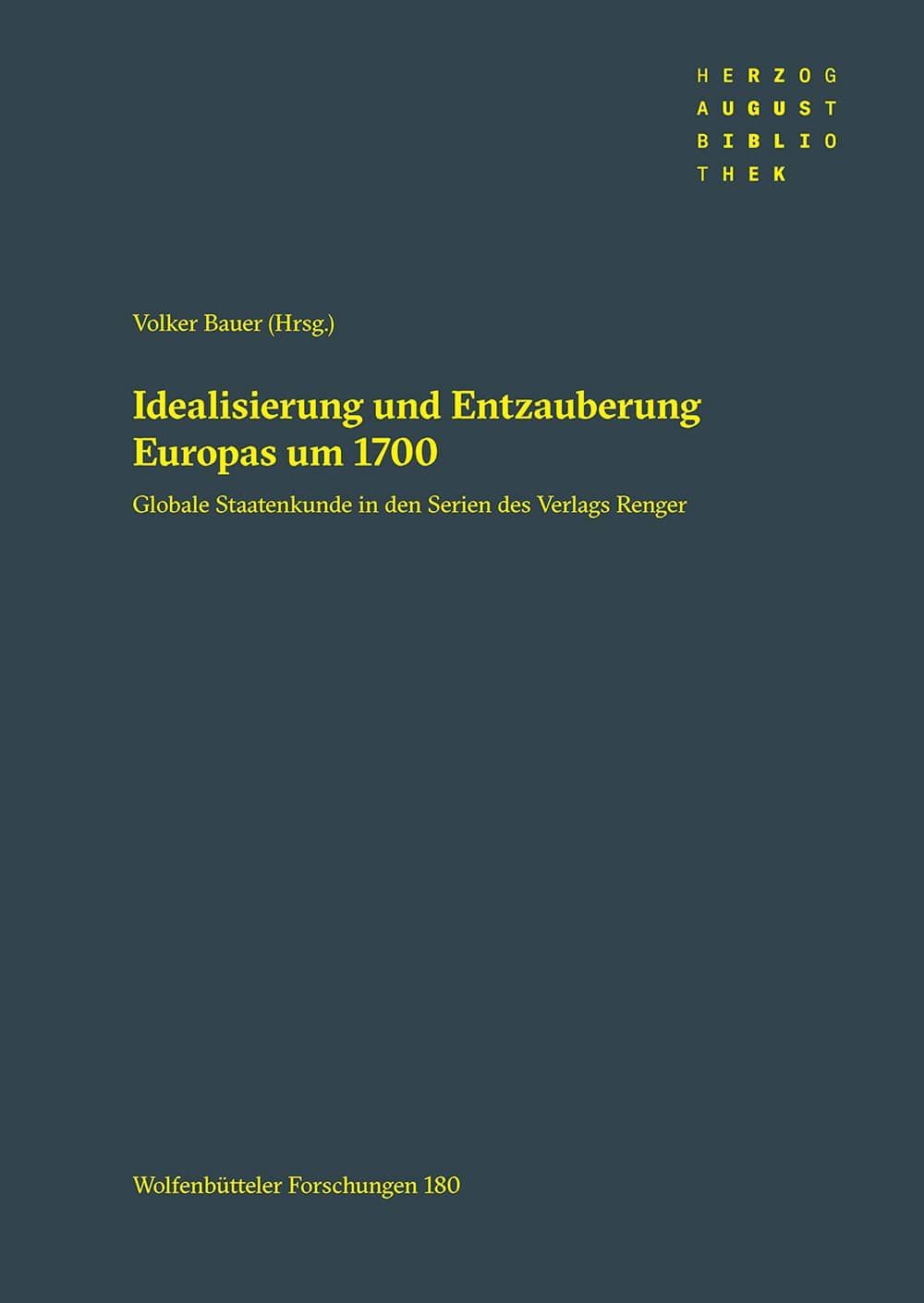
The Rengerische Staaten (1704–1718), a series of 80 state descriptions published in Halle (Saale), constitute a compendium of political knowledge unparalleled in scope. This study is the first monograph dedicated to the series and treats it as a case study that vividly illustrates the epistemic, communicative, and political challenges that arose from the globalisation of political knowledge in the early modern period. While the series initially portrayed only European polities, it eventually expanded to Asia, Africa, and the Americas. 

This gave rise to a fundamental epistemic tension: on the one hand, the claim that monarchic rule followed the same universal structures everywhere; on the other, the palpable cultural otherness of non-European kingdoms and regions. The series attempted to navigate this tension partly by politicizing cultural differences, though it was unable to avoid numerous inconsistencies and blind spots. These, however, were largely obscured by the serial, compilation-based character of this global survey of state — one that enjoyed considerable commercial success. More...
The HAB at the 72nd Annual Meeting of the Renaissance Society of America

We are excited to participate in the next Annual Meeting of the RSA in San Francisco, taking place February 19–21, 2026. Thanks to the American Friends of the HAB, the Herzog August Bibliothek will be present with three sessions.

Friday, February 20, 2026, 2:30 PM - 4:00 PM

Looking Forward, Looking Back: Ten years of American Friends of Herzog August Bibliothek at RSA. Hilton San Francisco Union Square - Continental Ballroom 9 - Ballroom Level

Saturday, February 21, 2026, 11:00 AM - 12:30 PM

Helmstedt 450: A German Renaissance University’s Reputation and Networks Reconsidered. Hilton San Francisco Union Square - Nob Hill 3 - Tower 3 - 6th Floor

Saturday, February 21, 2026, 2:30 PM - 4:00 PM

Duke and Court Knowledge. Hilton San Francisco Union Square - Nob Hill 3 - Tower 3 - 6th Floor

HABlog
From Marginalia to Karaoke: A Participant’s Reflections on the 47th Wolfenbüttel Summer Course

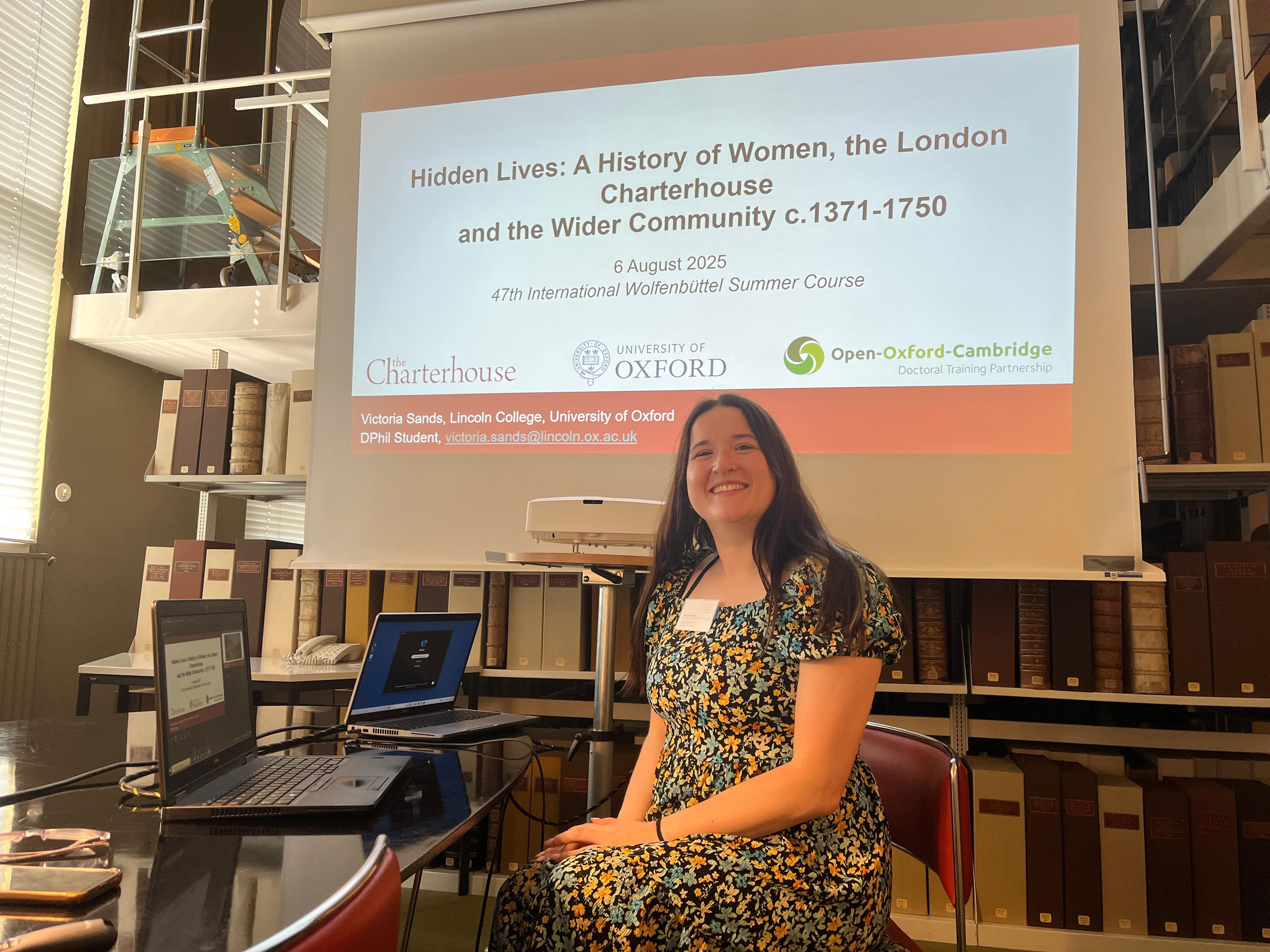
From July 27th to August 8th, 2025, the Herzog August Bibliothek hosted its 47th annual summer course, this year entitled “Beyond the Cloister Walls: Networks, Knowledge, and Identity in Late Medieval Manuscripts.” The course was expertly led by Prof. Dr. Marc-Aeilko Aris (University of Munich) and Prof. Dr. Alessandra Beccarisi (University of Foggia). More...

Victoria Sands with her presentation: "Hidden Lives: A History of Women, the London Charterhouse and the Wider Community c. 1371-1750" (Photo: private, courtesy of the author).
Currently at the HAB: Meet Our Fellows!

Postdocs & Senior Fellows

 
Achim Aurnhammer (Freiburg)

Zhaoshi gu’er/Die Waise aus dem Hause Zhao – Wie die europäische Aufklärung ein Drama aus dem alten China rezipiert hat. More...
 
 
Jean-Luc Le Cam (Brest)

Schul- und Universitätsgeschichte in der Frühen Neuzeit, Gelehrten Praxis, Quellenedition. More...


Clément Poupard (Paris)

The Transmission of the Ars Memoriae: Lambert Schenckel and Herzog August der Jüngere. More...


Doctoral Students

 
Kathrin Beck (Kiel)

Raumkonzeption und Raumkonstruktion in der ottonischen Buchmalerei. More...


Jill-Marie Brogner (Jena)

Bildprogramme gedruckter deutscher Stadtchroniken des späten 15. und frühen 16. Jahrhunderts in vergleichender Analyse. More...


Jule Meyer (Heidelberg)

Die Mainzer Skriptorien im IX. Jahrhundert. More...


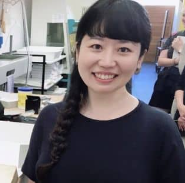
Mina Miyamoto (Jena)

Kostbare Textilien als Vorhänge in mittelalterlichen Handschriften. More...

 
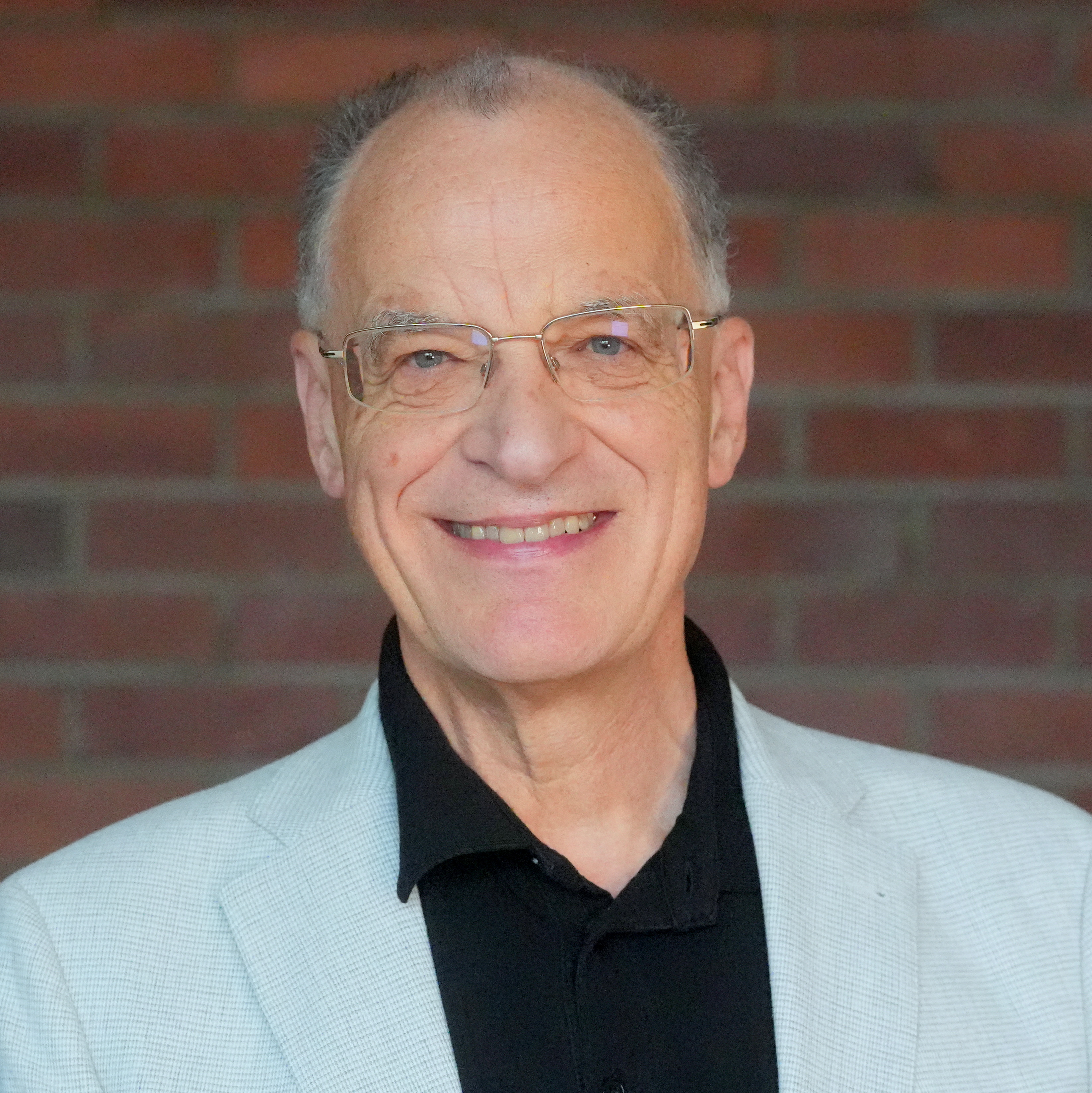
(Photos: private, courtesy of the individuals pictured.)
Fellow Feature: Exploring Noble Disputations and the Art of Memory with Kristi Viiding and Clément Poupard
Interview with Kristi Viiding

HAB
: What did you work on during your time as a fellow of the HAB?

Kristi: My current research period in Wolfenbüttel lasted two months and was an anniversary, because I first had the opportunity to work here in 2005, shortly after completing my doctorate. This time the topic is related to my larger research project at the Under and Tuglas Literature Centre of the Estonian Academy of Sciences in Tallinn. Namely, starting in 2023, we will be working on the first bibliography, conceptualization and contextualization of the literature created by the early modern Estonian, Livonian and Courland nobility and ennobled people in German, Latin, Polish and Swedish, with the long-term goal of compiling a two-volume handbook on the subject (nobilitas.utkk.ee/en). One of the surprises in this process has been the knowledge that early modern nobles actively participated in academic studies, holding and publishing numerous disputations. However, they almost never did so at the local Tartu Academy, founded by the Swedish central government in 1632, but always abroad. By studying the rich secondary literature on premodern academic life found in the HAB, I tried to clarify what the purpose of such literary practice was. To summarize my results: The function of the noble disputations was to acquire preparation and knowledge on how to create and restore an ideal environment for their estate (Estonia and Livonia had lost their political independence in 1561 and were alternately subject to several regional powers). The dominance of legal disputations in the academic literary heritage of our nobility and ennobled persons shows that this ideal environment was intended to be created precisely by means of laws and privileges.

HAB: What’s your favorite spot or hidden gem in Wolfenbüttel?

Kristi: I like the opportunity in Wolfenbüttel to perceive the era under study - the early modern period - in several dimensions at once: on the one hand, by studying texts from the era, on the other hand, by doing so in buildings from the same era, in the same architectural milieu where such texts were once written. In the courtyard and rooms of Wolfenbüttel Castle, for example, it is not difficult to imagine how envoys arriving from Livonia or Courland waited for their audience. 

HAB: What’s one piece of advice you’d give to current fellows or visitors to the library?

Kristi: For future scholarship holders: get to know the library's treasures early on, before you arrive, via the HAB library website. On-site access is an invaluable opportunity, even during a short visit, to quickly find things on your topic based on what is on the open shelves that you can't find in the catalog.

HAB: If you had to sum up your time as a HAB fellow in just three words, what would they be?

Kristi: Friendliness, openness, expertise.

Interview with Clément Poupard

HAB
: What did you work on during your time as a fellow of the HAB?

Clément: My current research focuses on the art of memory — or ars memoriae — within the broader history of knowledge. I’m particularly interested in how mnemonic expertise was transmitted in early modern Europe. To explore this, I’m studying a specific case: the teaching relationship between Lambert Schenckel, a well-known memory expert of the sixteenth and seventeenth centuries, and one of his students, Duke Augustus the Younger of Brunswick-Lüneburg.

I look at how Schenckel presented and promoted his lessons — how he convinced students of their value — and also at how Duke August later collected various memory manuals for his library. By combining these perspectives, my project examines both how knowledge was produced and taught in the classroom, and how it was received and preserved through book collecting and library practices.

HAB: What’s your favorite spot or hidden gem in Wolfenbüttel?

Clément: Saying that it's the Zeughause may be a bit of a cliché, so I will rather pick the Lechlumer Holz - a very good spot to do a morning run. Though, if I can pick a place outside the city's boundaries, I would obviously choose the Harz mountains and their magnificent autumn colours.

HAB: What’s one piece of advice you’d give to current fellows or visitors to the library?

Clément: Take the time to lose your time. Reflecting the many-sided interests of Herzog August, the library’s holdings are vast, and the secondary literature is readily accessible on the open stacks. It’s easy to drift from one topic to another and to uncover unexpected connections between seemingly unrelated objects.

HAB: If you had to sum up your time as a HAB fellow in just three words, what would they be?

Clément: "Ich lese viel."

Events at the HAB

Guided Tour: Dienstagabendführung durch das Zeughaus, December 02, 2025 More...

Workshop:
Dinggeschichte digital, Workshop unter der Leitung von Elizabeth Harding und Daniela Wagner (Wolfenbüttel), December 04 - 05, 2025 More...

Reading:
Gesang ist Dasein. Texte von und zu Rainer Maria Rilke anlässlich des 150. Geburtstags, Kommentierte Lesung mit Kathrin Reinhardt und Helmut Berthold, December 04, 2025 More...

Reading: Ins Dunkel, Lesung mit Angela Steidele, Veranstaltung der Gesellschaft der Freunde der Herzog August Bibliothek in Kooperation mit der Buchhandlung Behr, December 08, 2025 More...


Lecture & Discussion: 4. Wolfenbütteler Begegnungen, „Niemand darf so reich werden wie Elon Musk“ mit Autor Christian Felber,
December 11, 2025 More...

Conference: The Mobility of People, Ideas and Objects between the German-Speaking Lands and the World beyond Europe, The 10th International Conference of Frühe Neuzeit Interdisziplinär (FNI), May 20, 2026 More...

More events may be added – check our calendar to stay up to date!

New Chapters

We’re delighted to share news from alumnus Paul Feller-Simmons: He has recently accepted a position as Associate Professor of Musicology at the University of Oklahoma. Paul writes: "I’m very excited for this next chapter and remain deeply grateful for the time I spent as a fellow at the Herzog August Bibliothek." Our warmest congratulations to you, dear Paul. We’d be very happy to welcome you back here in Wolfenbüttel anytime.

Do you have news to share as well?

If you’ve also recently started a new position, published something, received an award, or are hosting an upcoming event, we’d love to include it in our next newsletter. Please reach out to us at presse@hab.de
If you no longer wish to receive this email, you can unsubscribe here .
 
Herzog August Bibliothek | Lessingplatz 1 | 38304 Wolfenbüttel | Deutschland | presse@hab.de |